How to Build an Emergency Fund
Could you cover an unexpected cost of $400? When things are going well, emergency savings can seem unimportant. But in addition to your regularly occurring expenses, like rent/mortgage and utility bills, you'll often deal with unexpected costs.
About 33% of people in the U.S. say they couldn’t cover a $400 emergency, according to a report by the Federal Reserve. About 63% of people say they have three months of emergency savings.
Three Reasons an Emergency Savings Account is Important
1. Being prepared
Issues like car or home appliance repair are common occurrences. However, since they do not happen regularly, people often overlook these costs as they create a budget. By anticipating these costs, you can be prepared for these potentially expensive items.
2. Avoiding debt
Having emergency savings gives you the option of dealing with the unexpected without having to take on debt. Without the cushion of emergency savings, you may be unable to pay regular bills if you face an emergency and are more likely to take on debt.
3. Having peace of mind
Having emergency savings will give you peace of mind. Even if you can’t save much, a little money set aside may make a big difference when you need it and reduce stress.
How Much Should Your Emergency Fund Be?
About three to six months of essential expenses is ideal. That should include housing, food, utilities and medical expenses. Your job, responsibilities and income should be considered to find the amount right for you. For example, if you’re single and have a high-demand job, three months may be enough. A person who is self-employed with a family may want nine months on hand.

Set a Manageable Goal
Does it seem like you never have money left over to set aside? You’re not alone. Most people have to be conscious about saving. Start with a manageable goal if three months of expenses seems unattainable. Create new goals as you go.

Open a Savings Account
You’ll want to put your money in a more liquid account that’s also secure. You can use the money when necessary and build interest in the meantime. Make sure you understand the terms of the account, including minimum balances, maximums on withdrawals and if the account accrues interest.

Automate Your Payments
Designate a savings account just for your emergency fund that you won’t be tempted to use. Set up direct deposit so a set amount is saved every paycheck. Then pretend it doesn’t exist (unless there’s an emergency!).
Find the Money
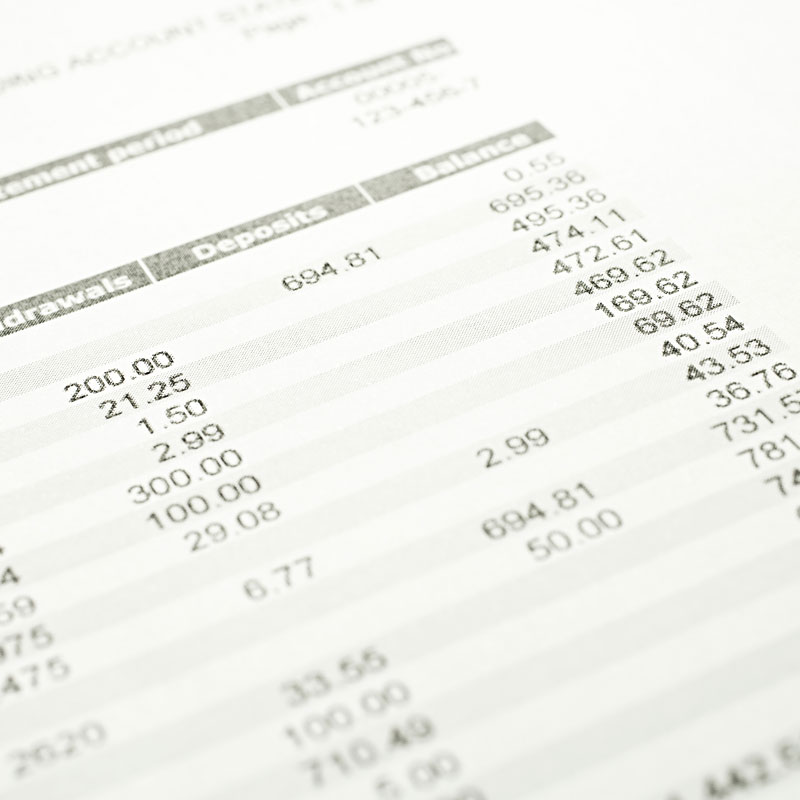
This is where a monthly budget can help. If you track monthly expenses, you’ll likely realize you can save a few dollars here or there. Find solutions to spend less. It could be making coffee at home, limiting how many times a week you eat out or making a grocery list to cut down on impulse buys.
Talk with a personal banker to learn more about our savings account options or open an account online.
Disclosure:
The information provided is for educational purposes only and is not intended to provide specific financial advice or recommendations.